
Introducing the omniDAWN™ MALS Photometer: Absolute Molar Mass at True UPLC™ Speed

Udayabagya(Bud) Halim, Ph.D.
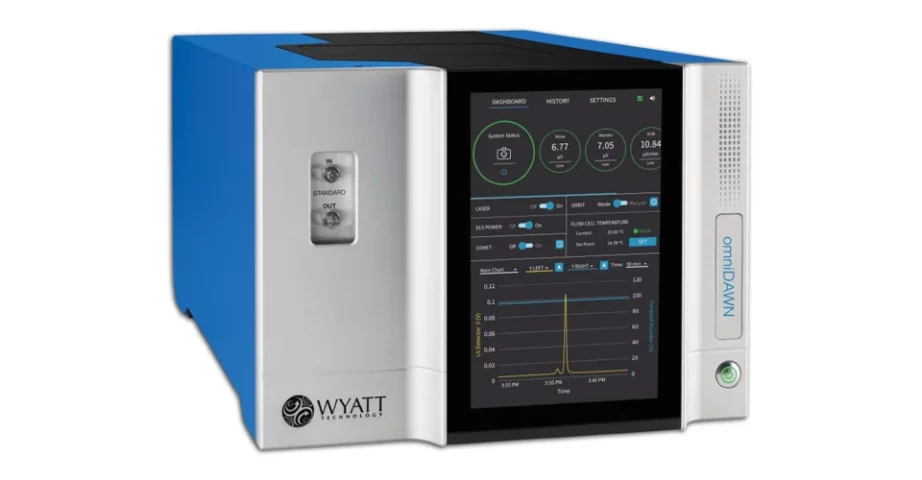
For over 40 years, Wyatt Technology has partnered with scientists pushing the boundaries of molecular characterization. Those collaborations helped shape the omniDAWN™ multi-angle light scattering (MALS) photometer, built to support today’s high-performance UPLC and UHPLC separations.
New: omniDAWN MALS photometer
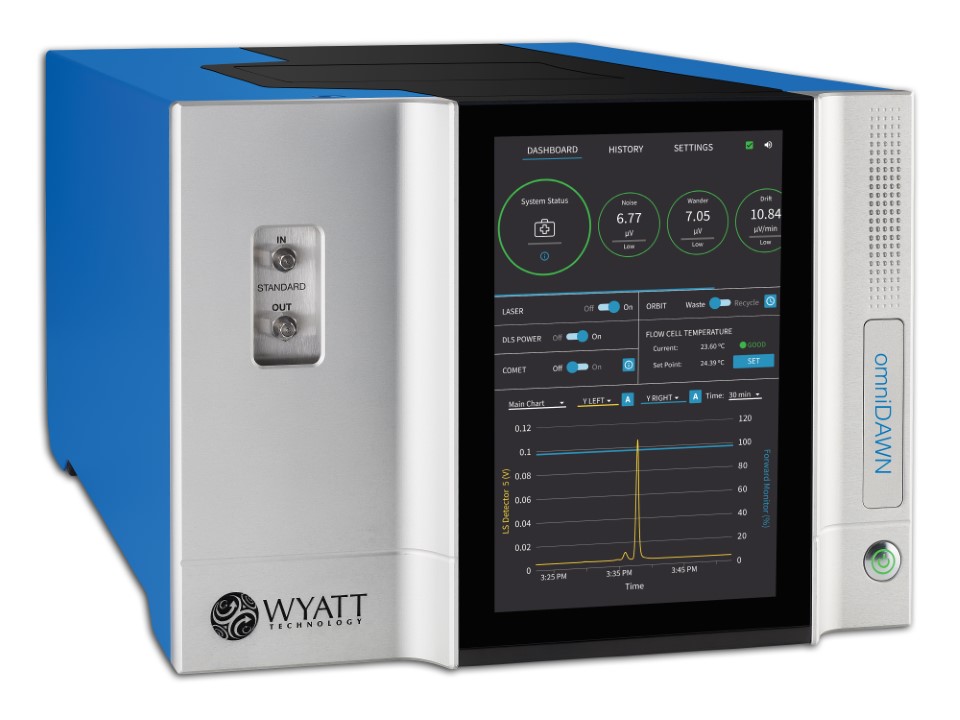
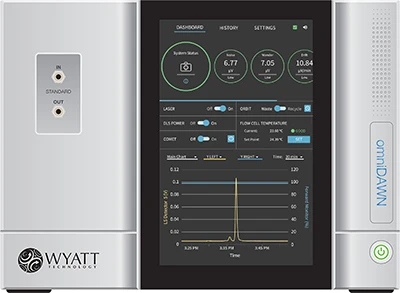
The omniDAWN is an 18-angle MALS instrument designed specifically for UPLC and UHPLC separations. With more detection angles than any other MALS instruments on the market compatible with UPLCs, it expands the measurable molecular weight and size range, enabling accurate characterization of larger and more complex molecules. A redesigned flow cell preserves chromatographic resolution while operating at high pressures, allowing researchers to combine true high-performance separations with uncompromised light scattering measurements. Building on the foundation of the microDAWN™ 3-angle MALS system, omniDAWN extends analytical flexibility across a wide range of applications.
From resolving subtle protein aggregates to characterizing branched polysaccharides and complex viral vectors, omniDAWN delivers the clarity researchers need to make confident decisions faster, conserve precious material, and generate high-quality data at every stage of development.
Light Scattering for the Masses™:
Let’s take a closer look at how omniDAWN MALS instrument supports different applications, showing how its capabilities translate into real-world benefits across industries.
Viral Vectors and Virus-Like Particles (VLPs)
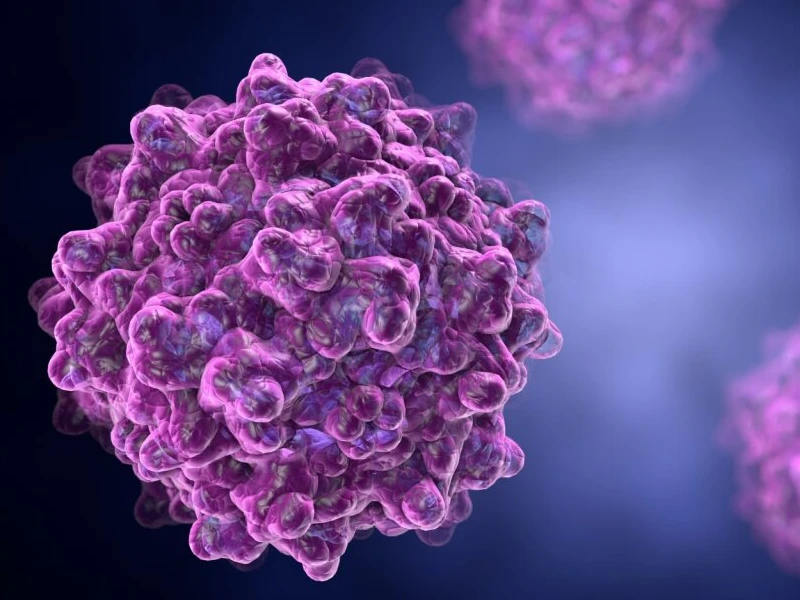
For cell and gene therapy developers, viral vector characterization is both high stakes and sample limited. Determining full/empty ratios, capsid content, genome titer, and aggregation is critical for understanding product quality, yet these analyses must often be performed with very limited material from small production batches. omniDAWN™ MALS is designed to keep pace with UPLC, preserving sharp peaks and minimizing dispersion. Its broad size detection capability is particularly important for large viral particles, where accurate molar mass and particle sizing are essential. By combining high-resolution separations with absolute characterization, researchers can quantify multiple CQAs in a single run, including capsid and genome titer, aggregation, fragmentation and Empty/Full ratio while using up to half the amount of samples. The result is faster progress with greater confidence.
Nucleic Acids and Oligonucleotides
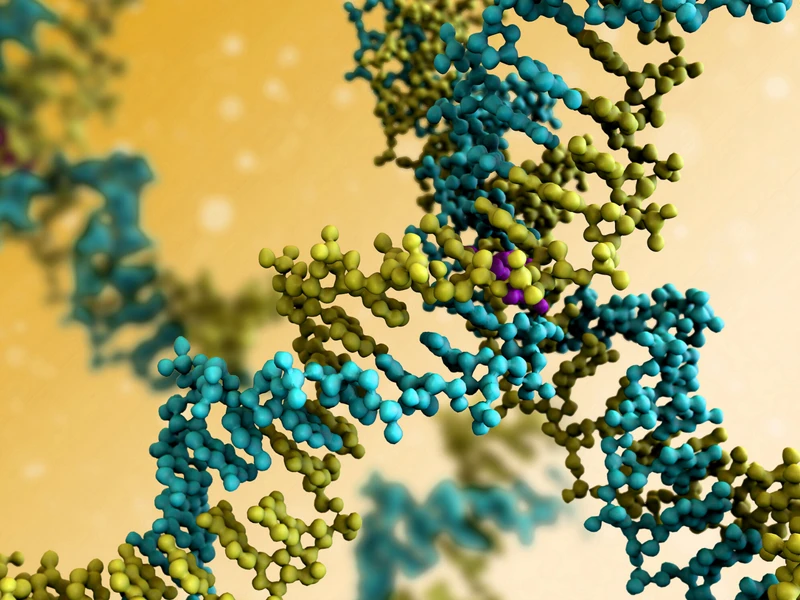
Oligonucleotide therapeutics often require multiple separation techniques to resolve closely related impurities and structural variants. Because oligonucleotides may adopt hairpin loops and self-complementary structure that is doesn’t conform to typical calibration standards, relying on elution time can lead to inaccurate results. omniDAWN integrates smoothly with SEC, RP, or IEX workflows and delivers absolute molar mass after separation. Operating with UPLC enhances resolution between similar species and faster separation time, while providing molecular confirmation beyond retention time alone. From impurity profiling to aggregation assessment, researchers gain reliable structural insight; distinguishing polymorphs, self-complementary strands, and higher-order structures with greater confidence.
Vaccines: Polysaccharide and Conjugated Vaccines
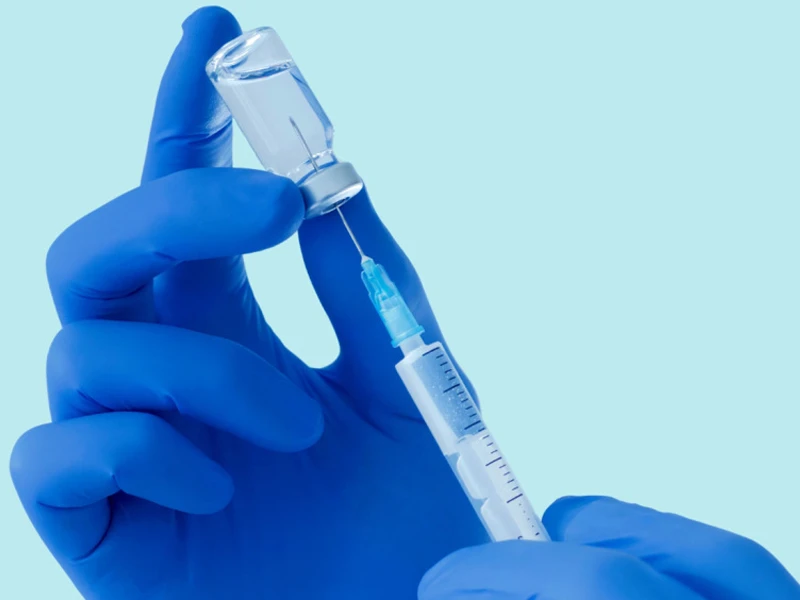
Polysaccharide vaccines are structurally complex. Branching, serotype variability, and the absence of appropriate calibration standards make relative methods unreliable. Conjugated vaccines add another layer of difficulty, requiring accurate assessment of conjugation ratios and free species. omniDAWN removes reliance on column calibration by directly measuring molar mass and structural attributes. Faster UHPLC separations support higher-throughput workflow, while ASTRA Software advanced protein-conjugate analysis modules streamline characterization. Together, this approach improves confidence in size distribution, branching analysis, and conjugation assessment while reducing turnaround time during development and QC.
Advanced Materials and Polymers
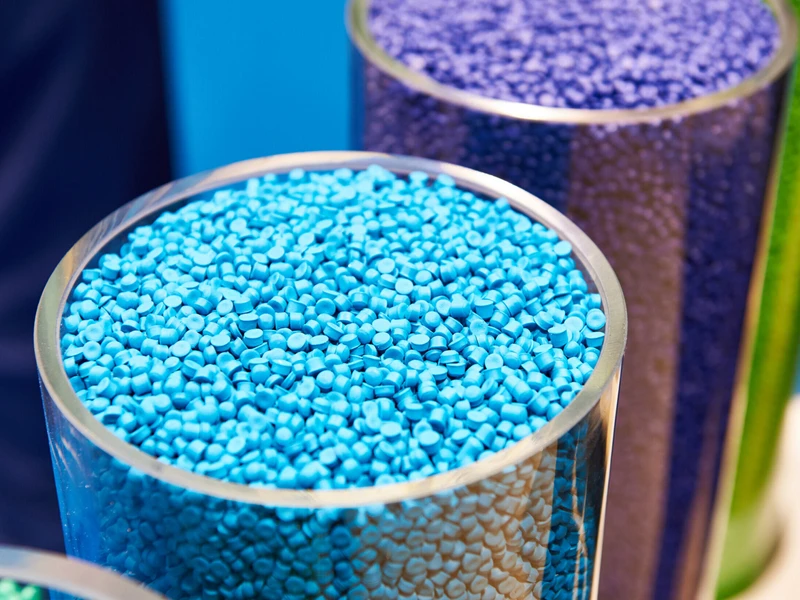
Polymer characterization demands more than relative molecular weight estimates. Variations in branching, architecture, and solvent interactions often make calibration-based methods misleading. In that regard, multi-angle light scattering is already the gold standard for GPC/SEC analysis because it provides, in a single run, absolute molar mass, size, distribution and branching analysis, enabling researchers to understand true polymer structure without relying on assumptions. Its compatibility with UPLC shortening analysis time, while reducing solvent usage that overall supports enterprise-level sustainability goals and lowers operating costs. For materials scientists, this means clearer structural insight, more efficient screening, and better-informed decisions.
Therapeutic Proteins
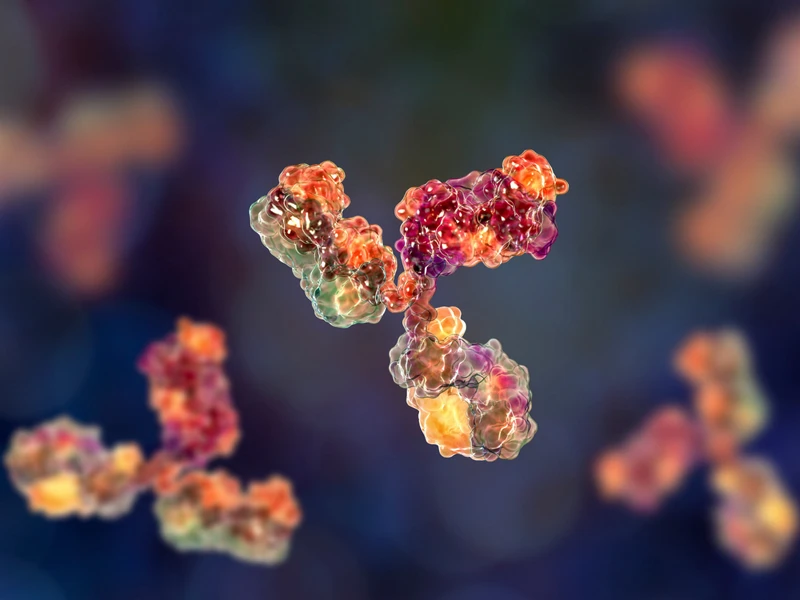
In therapeutic protein development, aggregate detection and higher-order structure assessment are critical to ensuring product quality and stability. omniDAWN™ enables robust aggregate characterization while preserving the speed and resolution advantages of UHPLC separations. Improved chromatographic clarity helps distinguish monomers from low-level aggregates, while absolute molecular weight measurement removes ambiguity caused by retention time shifts. Its 18-angle detection format provides the flexibility needed for complex structural characterization and delivers reliable data, even when analyzing more crude or heterogeneous samples.
Waters has also introduced a Protein A analytical column that can be integrated directly with an SEC column for simultaneous titer, aggregation, and fragmentation analysis directly from cell culture. When combined with omniDAWN, this approach strengthens analytical insight earlier in upstream development and continues to support confident decision-making through downstream processing and release.
Ready to see how omniDAWN MALS photometer can elevate your characterization capabilities?
Request a consultation
Discuss light scattering needs with a specialist and get guidance for your application.
Request a consultation