August 16, 2019

Ribosomal Subunits in Protein Biosynthesis

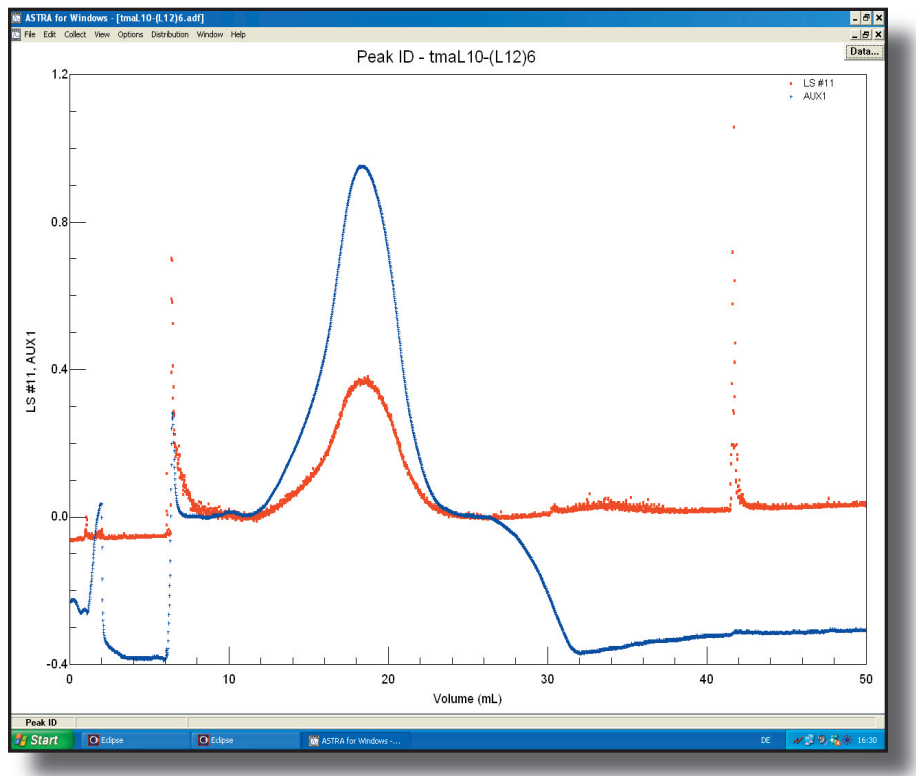
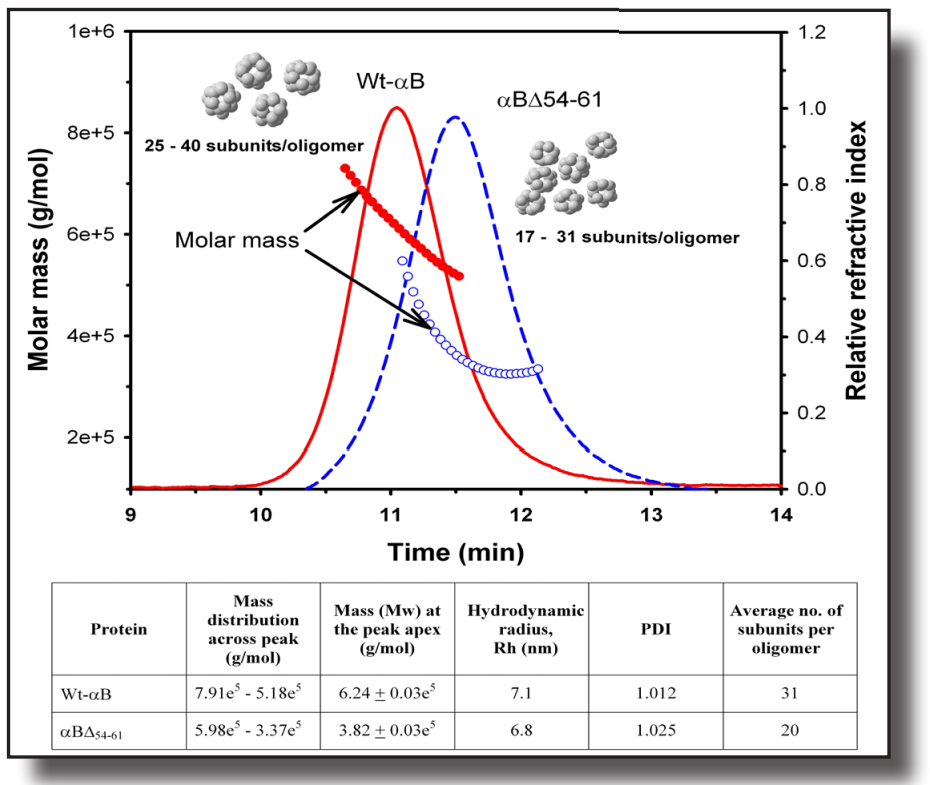
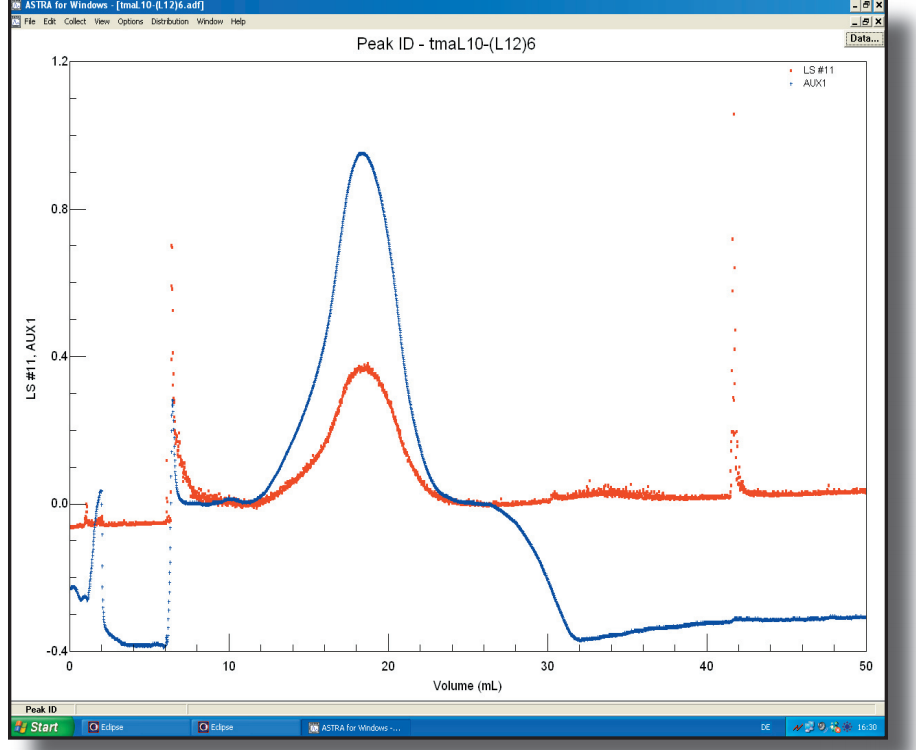
To elucidate the mechanism of action of the L7/L12 stalk of the large ribosomal subunit on the ribosome, we have determined the crystal structure of the protein L10 in complex with L12 Nterminal domain (NTD) from the hyperthermophilic bacterium Thermotoga maritima. Read more here.

August 16, 2019

Automated, Low-Volume Second Virial Coefficient Measurement

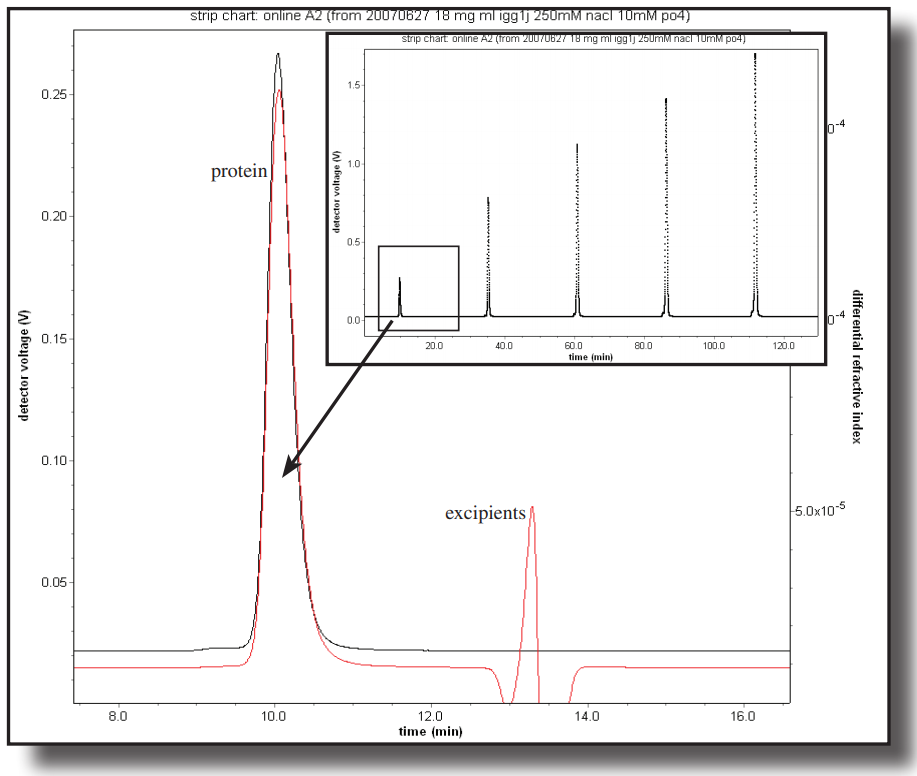
Measurement of weak protein-solvent interactions is essential in a wide array of processes, such as stabilization of therapeutic protein formulations, purification of protein mixtures, and crystallization of proteins. Wyatt Technology has developed an accurate, automated method for measuring weak protein-solvent interactions. Read more about it here.

August 16, 2019

Stoichiometry of Lysin Holoenzyme

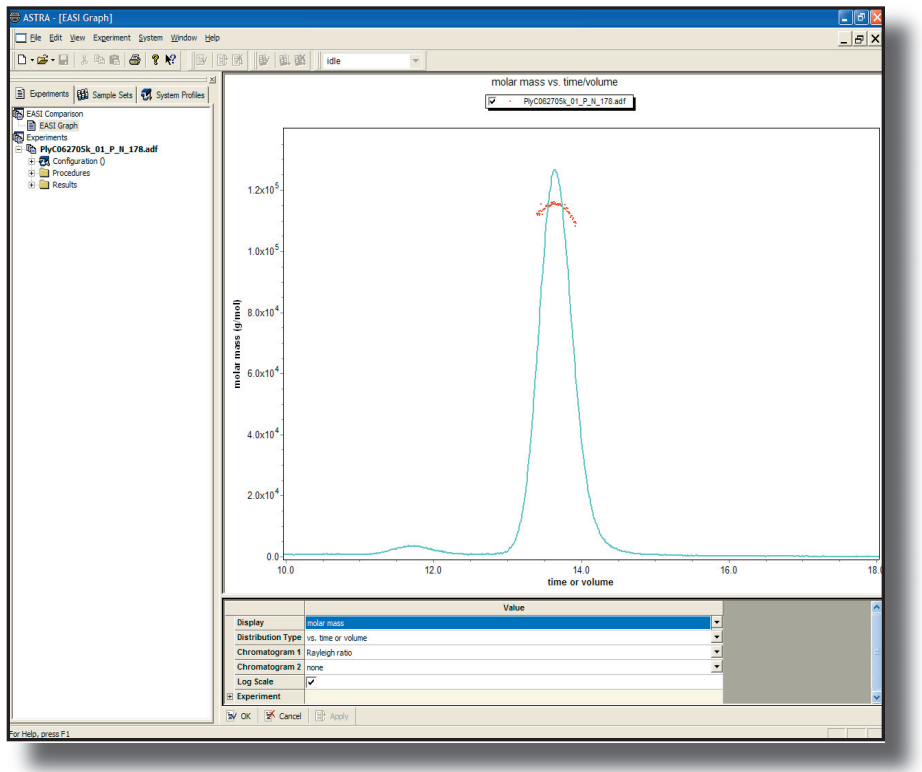
Lysins are enzymes produced by bacteriophages that lyse the host’s cell wall to allow the release of newly formed phage progeny. In this application note, we used size exclusion chromatography coupled with MALS, refractive index and absorbance detection (SEC-MALS/RI/UV) to define the subunit organization of the streptococcal C1 bacteriophage lysin, PlyC.

August 16, 2019

Automated Second Virial Coefficient Determination Using a Binary HPLC Pump

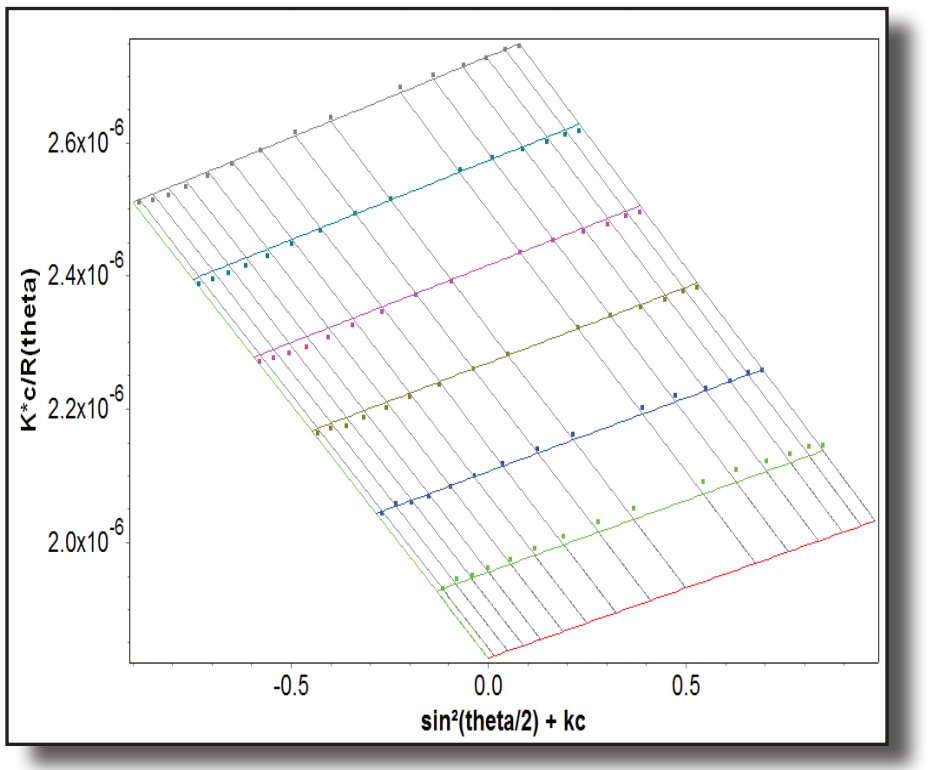
A standard binary pump, such as those used for HPLC systems, may be used to prepare, mix, and inject multiple sample concentrations required for a standard Zimm plot. In addition to automated mixing and delivery by the binary HPLC pump, an Optilab rEX can be used to automatically determine the concentrations during the experiment.

August 16, 2019

AN9009: Determination of dn/dc with an Optilab™

The quantity dn/dc, also called the “specific refractive index increment” describes how much the refractive index of a polymer solution changes with respect to the concentration of the solute. Measurement of dn/dc is essential for the absolute characterization of the molar mass, since it is a term used in the molar mass calculation.

August 16, 2019

Characterization of Hyaluronic Acid

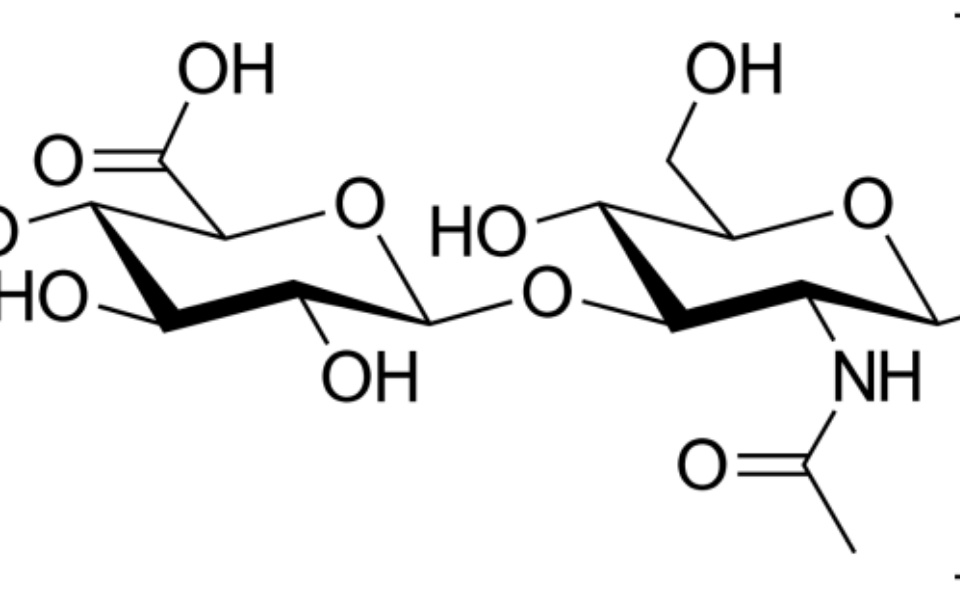
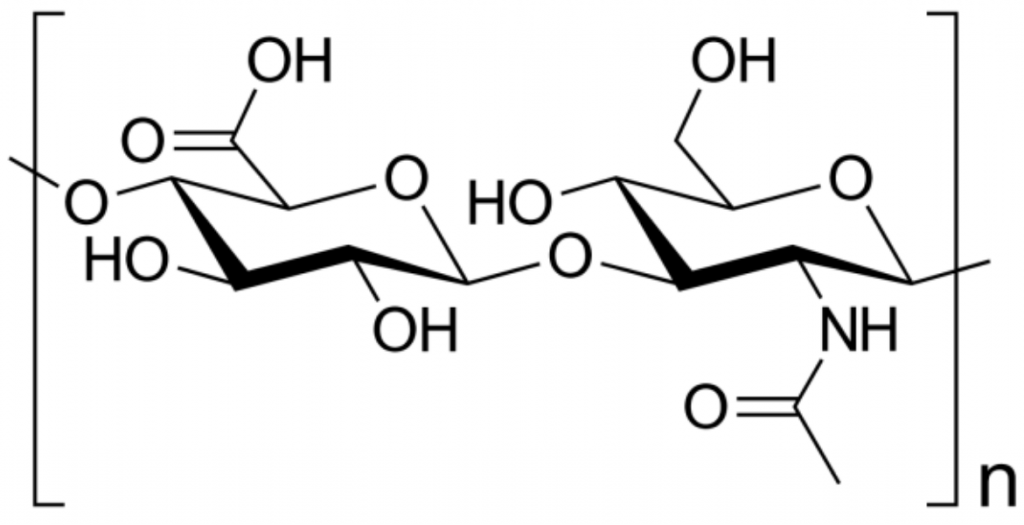
Hyaluronic Acid (HA) is a ubiquitous, very high molecular weight polysaccharide that has been of particular importance in opthalmic surgery. HA’s therapeutic effectiveness depends critically on molecular weight. Combining a DAWN with a chromatograph, however, provides an ideal platform for absolute characterization, since the light scattering measurements do not depend on pump speed, polymer standards or molecular conformation.

August 16, 2019

Polysaccharides: Agarose Characterized at Elevated Temperatures

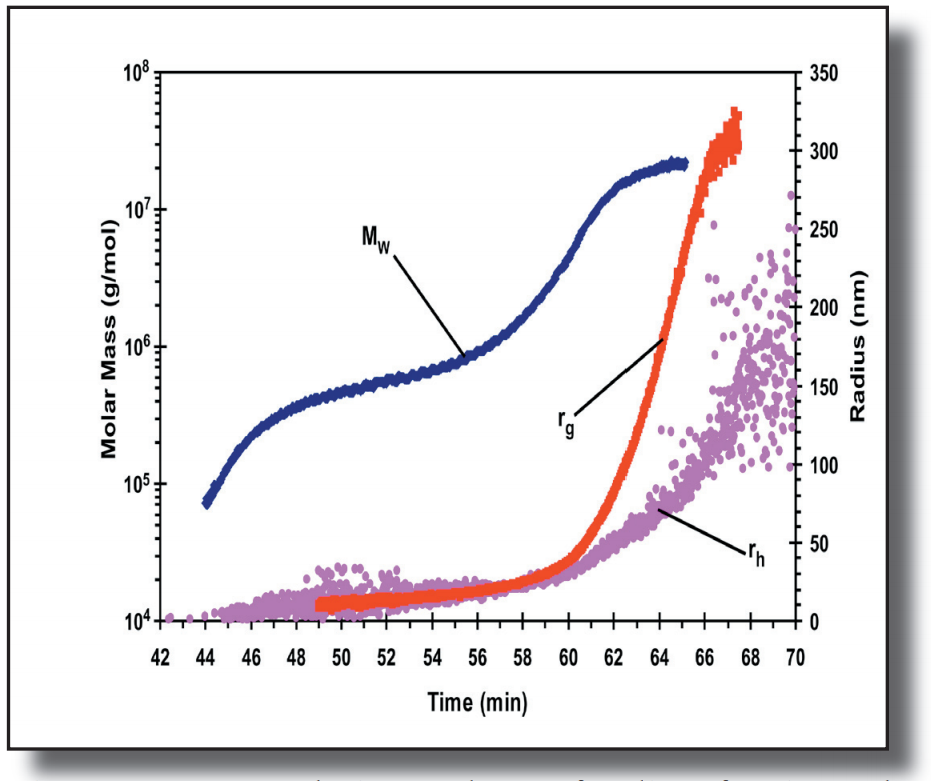
Agarose is a polysaccharide produced from seaweed that forms a gel at room temperature. The characteristics of agarose gels depend on the agarose concentration, solvent, weight-average molar mass, and molar mass distribution. This application note describes the characterization of agarose by size-exclusion chromatography (SEC) and multi-angle light scattering (MALS) at an elevated temperature.

August 16, 2019

Acidified Proteins + Amylopectin

When mixed together at sufficiently high concentrations, mixtures of milk proteins (casein micelles) and amylopectin will phase separate due to depletion flocculation mechanisms. In this application note, we investigate the behaviour of acidified mixtures of milk proteins and amylopectin.